


News
DOs In Cambodia
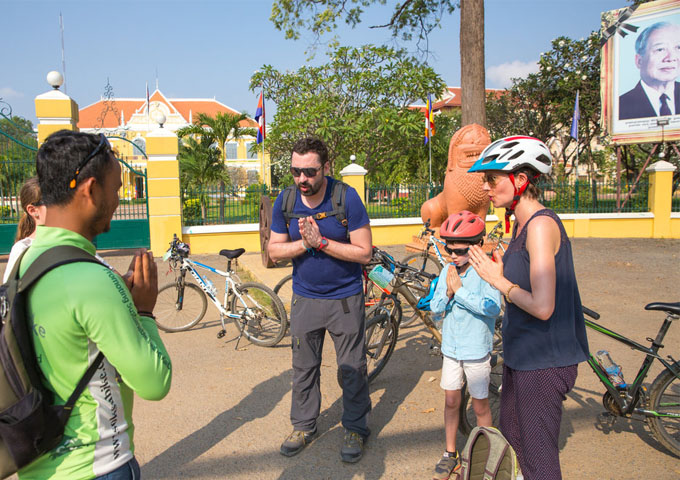
DOs In Cambodia Ask for permission before taking photographs of any Cambodian people or monks. It is customary to remove your shoes when entering a place of worship such as a pagoda or temple. Additionally, visitors should dress appropriately when inside a religious site (upper arms and legs should be covered, hats removed). It is respectful to remove your shoes when entering someone's home. Though not always expected, a respectful way of greeting another individual is to bow the head slightly with hands pressed together at the chest (known as "Sampeah"). If invited to dine in a Cambodian family's home, it is polite to bring a small gift for the host such as fruit, dessert, or flowers. If invited to attend a Cambodian wedding, it is customary to bring cash as a wedding gift. When using a toothpick at the table, use one hand to cover your mouth. Keep business cards ready, and present them with both hands. Accept business cards with both hands. DON'Ts In Cambodia Don't use your feet to point at someone. Don't touch a Cambodian person on the head. Don't begin eating if you are a guest at a dinner and the host has yet to take a bite. Women should never touch...
Exploring the Wonders of Longvek & Oudong
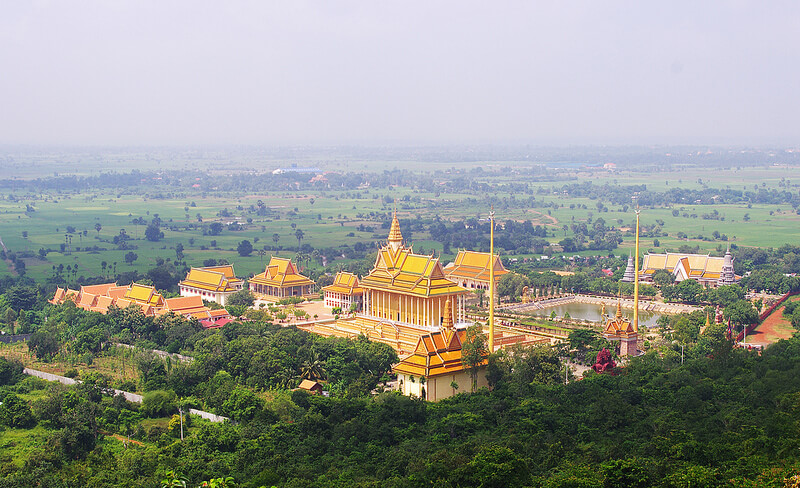
Located 40km north of Phnom Penh on the west bank of the Tonle Sap River at the confluence of Kandal, Kampong Chhnang, and Kampong Speu is the historical area of Longvek-Oudong that was home to Cambodia’s capital in periods of the 16th century to the mid-19th century long after leaving Angkor. It was a period of great prosperity with the opening to international trade, and, a time of great conflict, war, and power struggles. It’s an amazing area that we can explore, with heritage sites spread out over a 60 sq km area including Buddhist Terraces, heritage pagodas, shrines, and, of course, the epic mountain of Phnom Oudong with its grand stupa and shrines. Let’s put it all together on a map, discover the highlights in the area, and take a dive into history. At the bottom of the page, I’ll also include a section on historical images and a summary of notes that were left by the Dutch and French in the 16th-19th century featuring some quite fascinating insights on the era. Historical Intro to the Longvek & Oudong Eras Exploring the historical notes left by the Dutch, French, and the contemporary translations of the Royal Chronicles we can build a...
New Pancient History & Templesost 1900s Angkor in the Eyes of the World
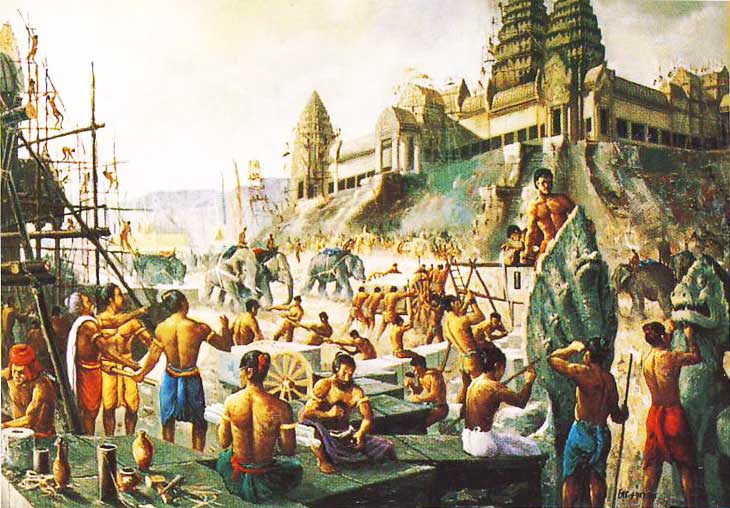
1. The "Institutionalization" of the Ruins (1900–1920s) Before 1900, Angkor was known to the West primarily through the travelogues of explorers like Henri Mouhot. After 1900, it shifted from a "lost city" to a "scientific project." The EFEO (École Française d’Extrême-Orient): Established in 1900, this institution took over the "protection" of the site. They moved from mere exploration to systematic clearing of the jungle. The Conservation d'Angkor (1908): A dedicated body was formed to manage the site. This marks the moment Angkor became a managed monument rather than a living religious site or a jungle ruin. The "Discovery" Narrative: Ironically, while locals always knew Angkor existed, the 1900s global narrative framed it as a "discovery" by French science, creating a "New Ancient History" that prioritized architectural dates and royal lineages over local folklore. 2. The Birth of Global Tourism (1920s–1930s) By the 1920s, Angkor became a "bucket list" destination for the world’s elite. The Grand Hotel d'Angkor: Opened in 1932, it signaled that Angkor was now a luxury...
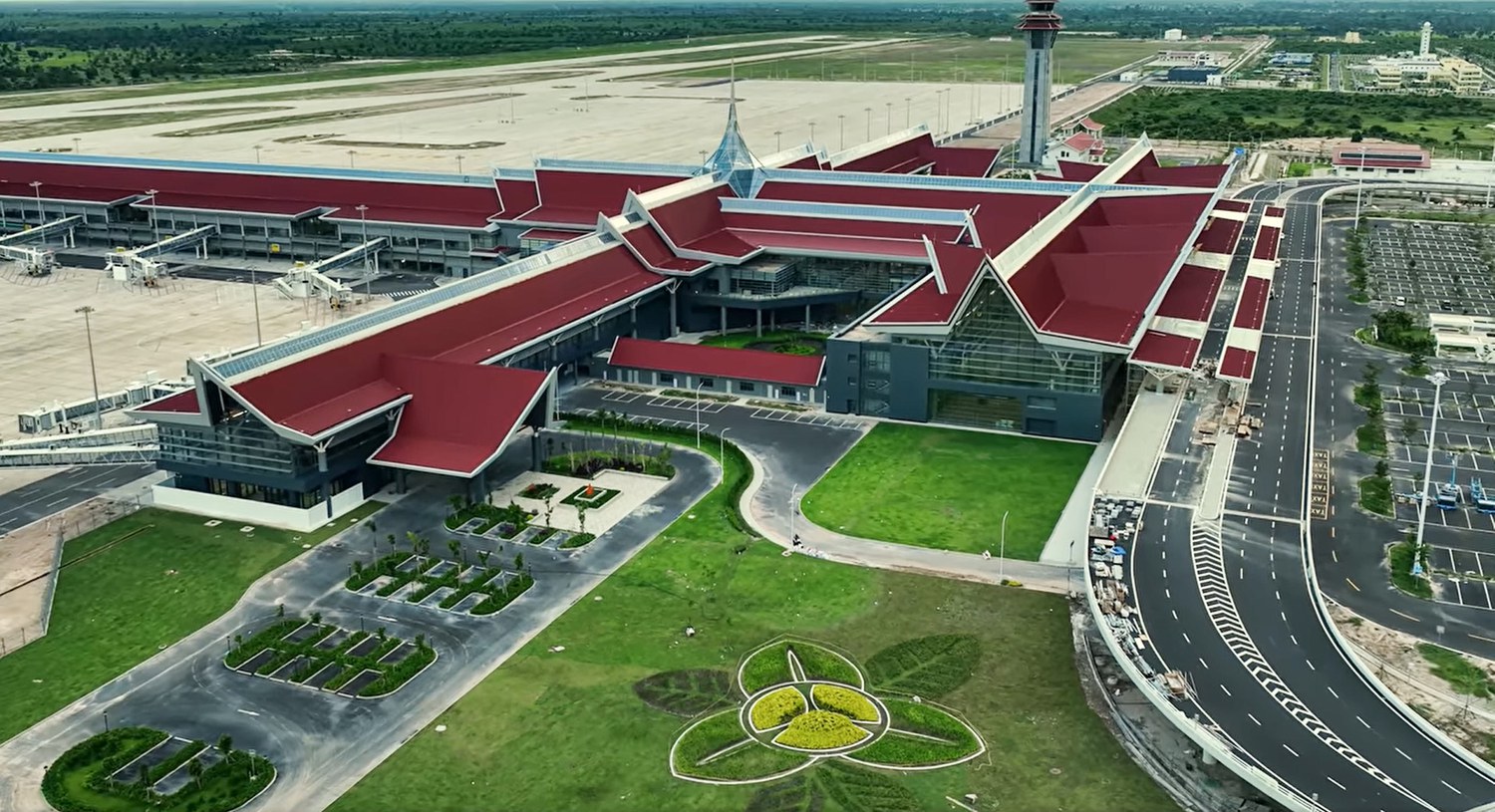
Airport | Hello Angkor
The new Siem Reap-Angkor International Airport (SAI/VDSA) is located about 50 km to the northeast of Siem Reap city in Soutr Nikom District and takes over from the old airport (REP) (now closed) that was located to the northwest of the city center. The new Siem Reap airport is much larger in all facets offering improved services and greater opportunities for direct flights into the province. It is the closest airport to Cambodia’s ancient Angkor Wat temple and archeological park and one of the country’s major three airports, the others being Phnom Penh International Airport and Sihanoukville International Airport. The new airport is simple and easy to navigate with the comforts you’d expect including restaurants, coffee, washrooms, duty-free stores, luggage carts (free), and facilities you’d expect at a modern airport. It is not a 24-hour airport, it opens on the first flight and closes on the last flight. Getting to and from the Airport The most popular destination from the airport is of course, the city of Siem Reap, or Krong Siem Reap, where you find the famous Pub Street, the markets, hotels, guesthouses, and the base for exploring...
Showing 41 - 44 of 44
Showing 41 to 44 of 44 results