


News
Phnom Penh City
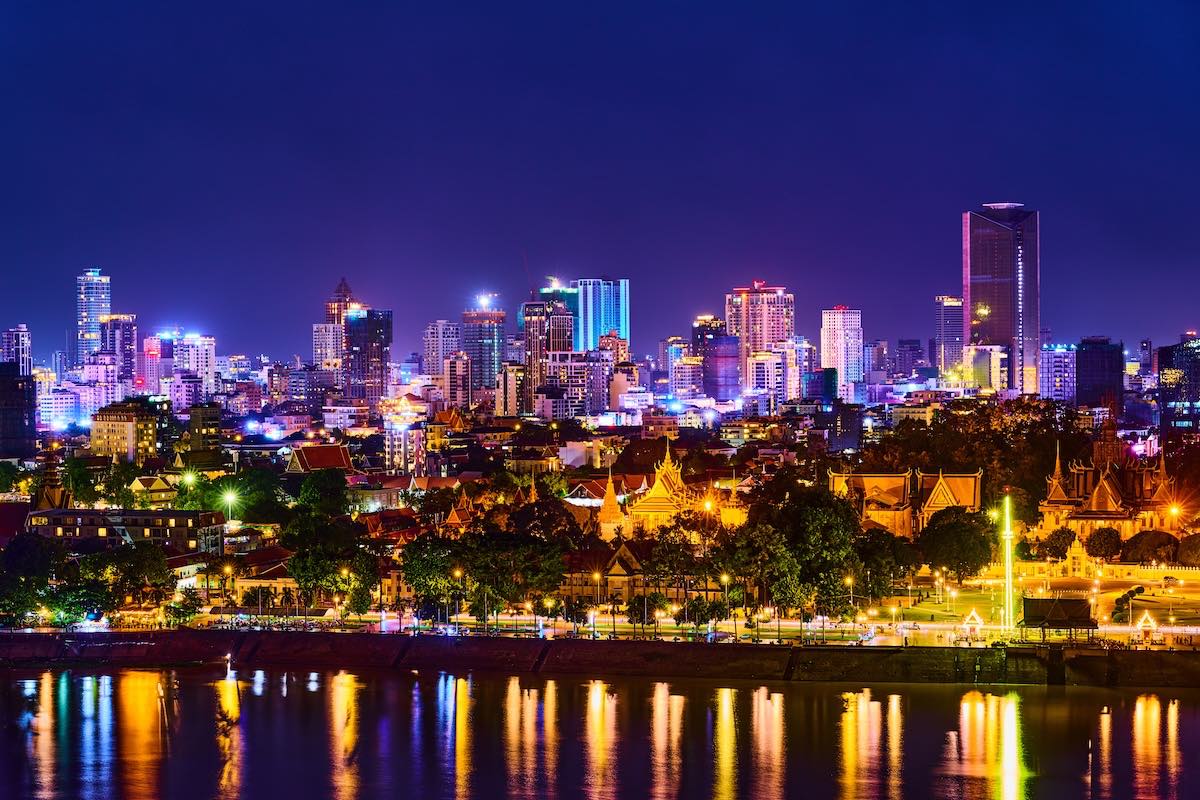
Phnom Penh Khmer: ភ្នំពេញ, Phnom Penh 'Penh's Hill/Mountain') is the capital and most populous city of Cambodia. It has been the national capital since the French protectorate of Cambodia and has grown to become the nation's primate city and its economic, industrial, and cultural centre. Before Phnom Penh became capital city, Oudong was the capital of the country.Phnom Penh succeeded Angkor Thom as the capital of the Khmer nation but was abandoned several times before being reestablished in 1865 by King Norodom. The city formerly functioned as a processing center, with textiles, pharmaceuticals, machine manufacturing, and rice milling. Its chief assets, however, were cultural. Institutions of higher learning included the Royal University of Phnom Penh (established in 1960 as Royal Khmer University), with schools of engineering, fine arts, technology, and agricultural sciences, the latter at Chamkar Daung, a suburb. Also located in Phnom Penh were the Royal University of Agronomic Sciences and the Agricultural School of Prek Leap.The city was nicknamed the "Pearl of Asia" for its early 20th...
Motorcycle taxi in Cambodia
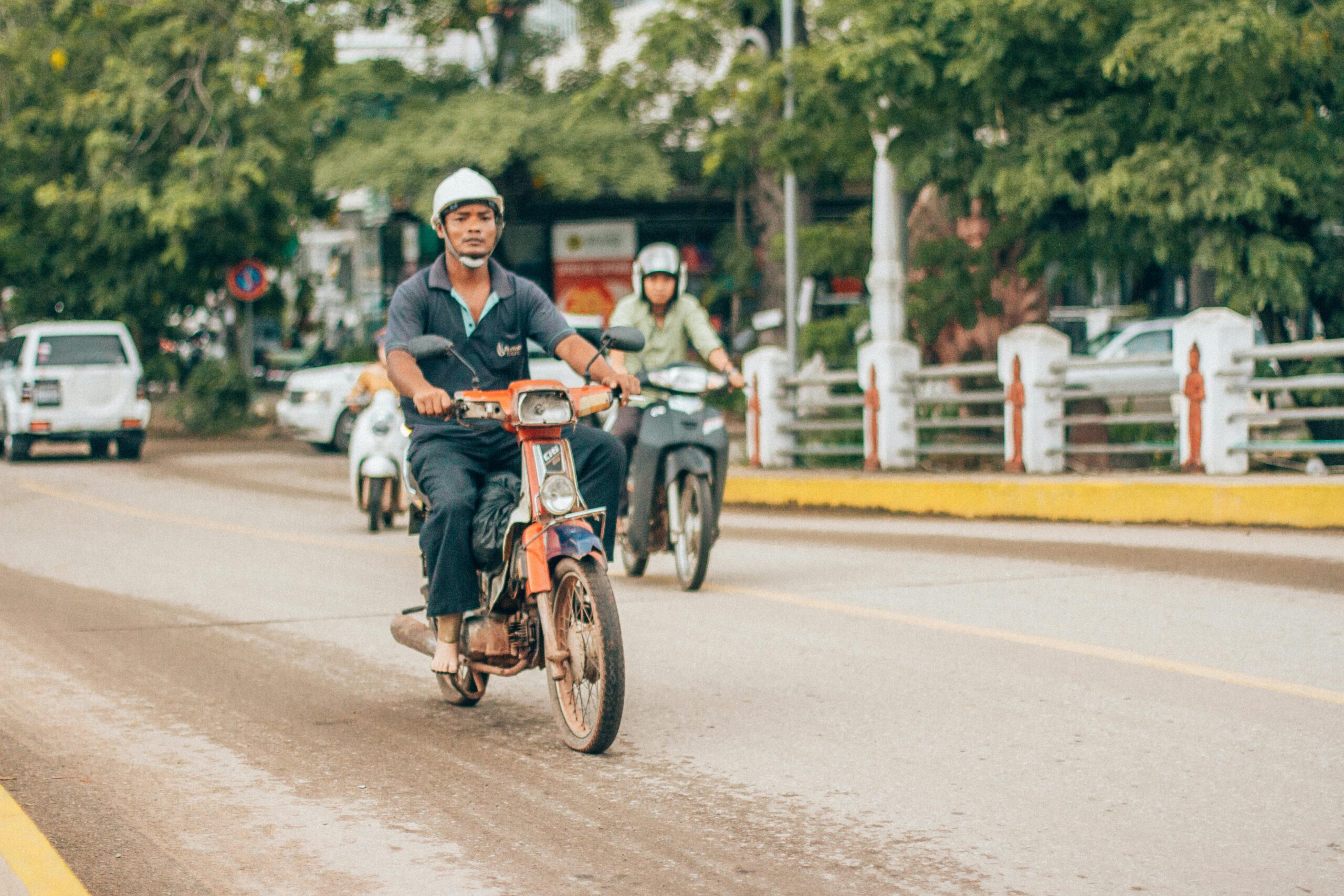
Taking a moto taxi–often called a motodop–is the cheapest, fastest way to get from point A to point B in Cambodia. But riding on the back of a motorcycle or scooter is also one of the easiest ways to get hurt in Cambodia. Here are some tips for getting around Cambodia by moto taxi. Many of them are covered in more depth in our Getting around by tuk tuk section, but others are specific to moto taxis. Get a map, learn the pagodas, and learn to give directions in Khmer. Always remember that most moto taxi drivers are not actually taxi drivers. They’re just guys with motos who see a foreigner walking down the street and offer him a lift in exchange for cash. This means that if you take moto taxis you’ll often meet off-duty police officers, teachers, and various other professionals. However, you’ll rarely meet someone who has a working knowledge of the geography of the city you happen to be in, despite their assurances that they know exactly where you’re going. Remember that the Western frame of reference–using street names and cross streets–is foreign to most Cambodians, who use the locations of markets and pagodas (or wats) to help...
Phnom Penh Train Station
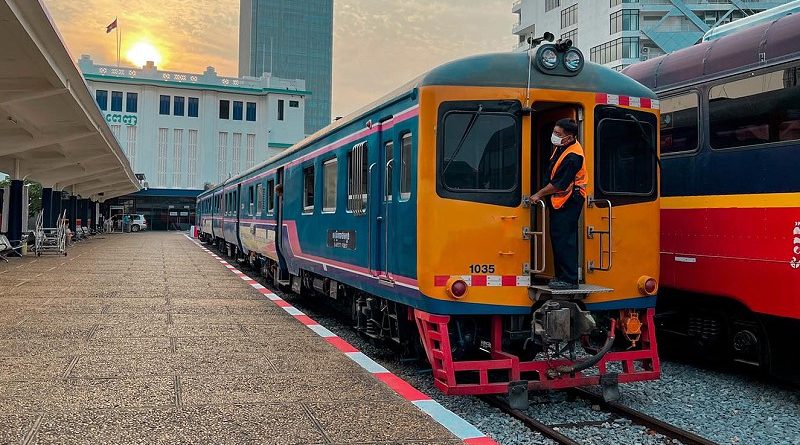
Phnom Penh Railway Station was constructed during the French colonial era, opening to passengers in 1932. Despite being effectively out of use as railway station for an 11 year period from 2005 to 2016 Phnom Penh Railway Station is a beautifully preserved building from a much different era. There are three different train services operating out of this station: Train services between Phnom Penh and Sihanoukville. Train services from Phnom Penh and Poipet (possibly to Thailand in the near future). Phnom Penh Train Station Phnom Penh Railway Station reopened to passengers on the 9th April 2016 for the first new train service to Sihanoukville, making the reintroduction of passenger train services in Cambodia. The station building is clean and well maintained, however, it is still a near empty space with no shops or restaurants or other amenities occupying the large open spaces within the station building or by the train platforms. Inside the train station itself there are seats and a ticket counter and nothing else. Phnom Penh Train Station currently has three platforms in use each serving a different destination: Platform 1: Line to...
Phnom Penh City Bus
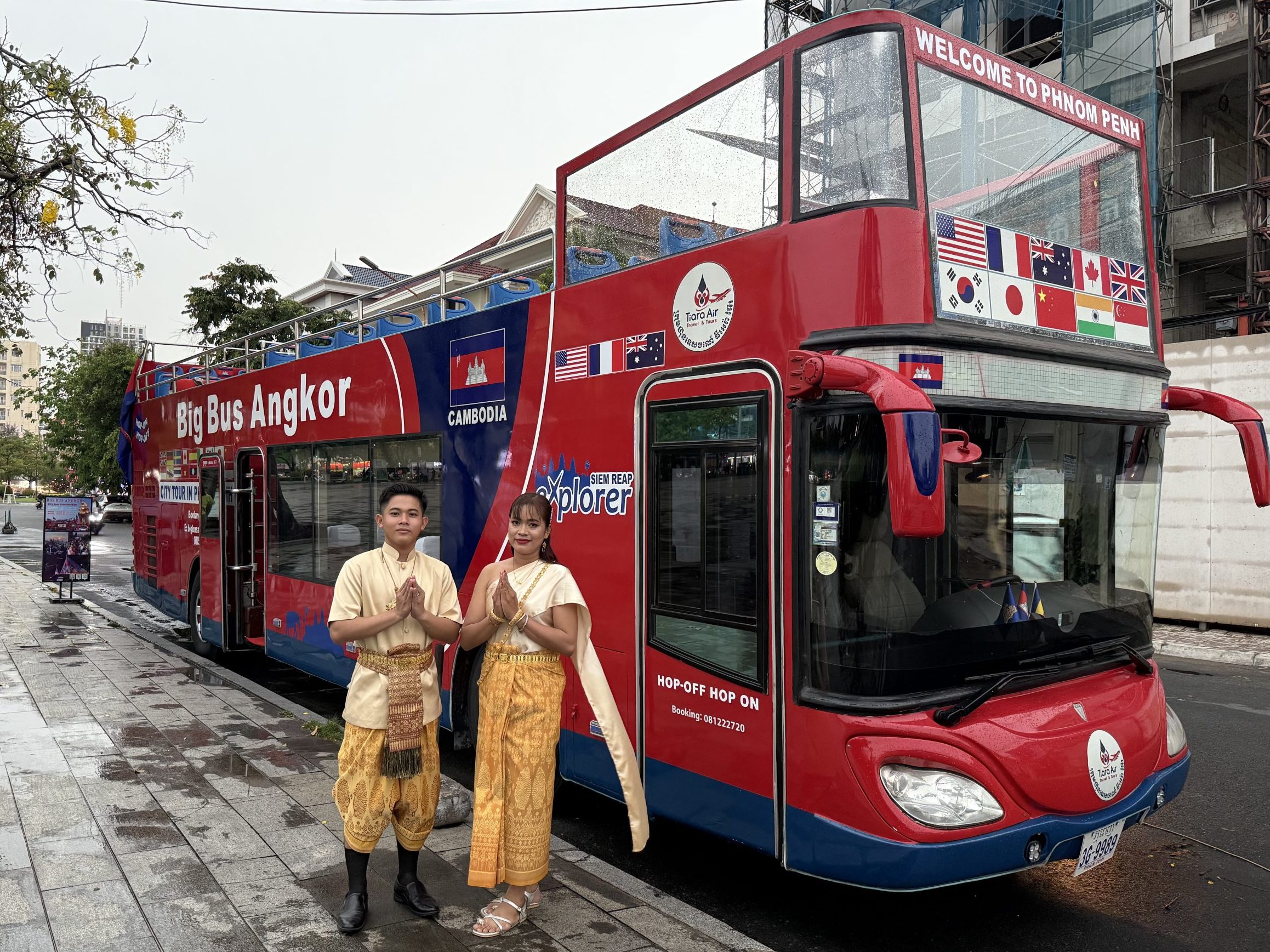
Phnom Penh City Bus is a municipal public transport system that serves Phnom Penh, the capital of Cambodia. The system opened to the public in September 2014 with 3 lines, other lines have been gradually added over the next several years, as of 2018, 11 lines run throughout the city. The system covers Prek Pnov (North), Ta Khmao (South), Chbar Ampov (East), and Special Economic Zone (West), there are plans to stretch the network outward. The fare for the public buses is KHR1,500 (USD0.37) per voyage irrespective of distance. Only local currency Riel is accepted. Senior citizens (age over 70), small children (under 1 meter), disabled, monks, teachers, students, factory workers (until September 2019) travel free as of 2018, though you must confirm your identity by wearing your student card, teacher card or working card before boarding. The bus starts daily from 05:30 in the morning until 20:30 at night. City Bus Lines and Stops Due to increase of cars and motorcycles (about 300,000 cars and 1,000,000 motorcycles in Phnom Penh today), City Hall has launched three bus lines. The bus is a more sustainable form of transport for the city because it reduces traffic accidents,...
Cambodia’s Cyclo: An Iconic Mode of Transportation
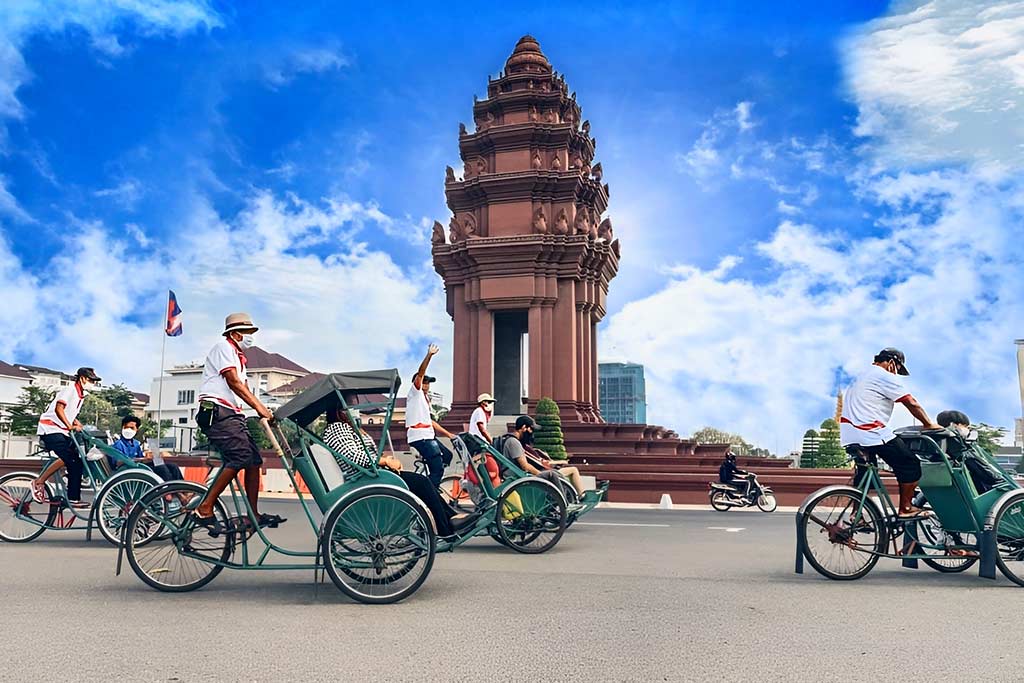
Cyclo, is the oldest mode of transportation in Cambodia and a unique tourist experience in modern history. The cyclo isn’t only part of Cambodia’s transport industry but is also one of the country’s cultural heritages that exists for more than 80years and also become part of the modern history for tourism experience visiting the capital City, Phnom Penh. These famous vehicles, which were initially launched in 1936, are still among the greatest and most affordable ways to tour the city. Cyclo or the three-wheeled bicycle taxi has been a mode of transportation getting around Phnom Penh the During the time of French Indochina, whereby the driver pedals behind the passenger who is comfortably seated in front in a slow-slung seat between two wheel.
Showing 21 - 25 of 44
Showing 21 to 25 of 44 results