


History
Central Market of Phnom Penh
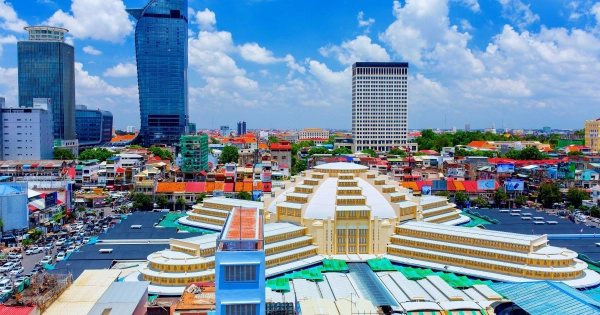
The Central Market of Phnom Penh, is a large market constructed in 1937 in the shape of a dome with four arms branching out into vast hallways with countless stalls of goods. It is located in Cambodia's capital city, Phnom Penh. The unique, stunning ochre-coloured, art-deco Central Market is definitely a Phnom Penh landmark. The structure was built in 1937 in Art Deco style on an area that was until 1935 a lake collecting the runoff during the rainy season. Prior to the construction, Phnom Penh was limited to the area between the Riverside and Norodom Boulevard. At the western side of Norodom were some wooden farmer houses belonging to Khmer who lived from rice cultivation in the lakes. Dredging started in 1935 and opened the area up for expansion. The market was built by the French when Cambodia was under colonial rule. When it first opened in 1937, it was said to be the biggest market in Asia, and today it still operates as a market. From 2009 to 2011, it was renovated that funded by the French Development Agency. This unique Art Deco building is a Phnom Penh landmark. Prior to 1935, the area was a lake that received runoff during the rainy season. The lake was drained and the market...
Olympic Stadium In Phnom Penh
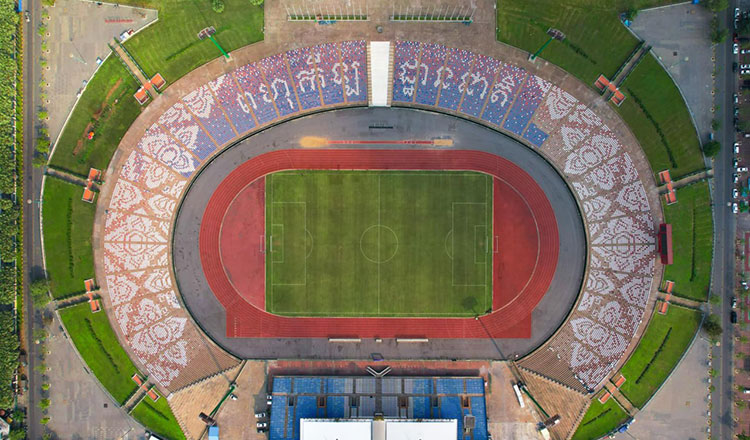
The Olympic Stadium (Khmer: ពហុកីឡាដ្ឋានជាតិអូឡាំពិក) is a multi-purpose stadium in Phnom Penh, Cambodia. It has a capacity of 50,000.[Despite its name, the stadium has never hosted an Olympic Games. History Construction on the National Sports Complex started in 1963 and was completed in 1964. Designer Vann Molyvann made use of massive earthworks to create the stadium, digging up 500,000 cubic meters of earth to shape the grounds. The stadium might have been built to host the 1963 Southeast Asian Peninsular Games, but the games were cancelled due to political problems in Cambodia. There was the short-lived GANEFO games, that were held in Phnom Penh, Cambodia in November 25~December 6, 1966 and were named 'First Asian GANEFO'. The stadium has played host to appearances by visiting dignitaries and state occasions, and has been the home of Cambodia's national athletics teams. The stadium played a small and integral part in the 1966 FIFA World Cup, when North...
Tuol Sleng Genocide Museum
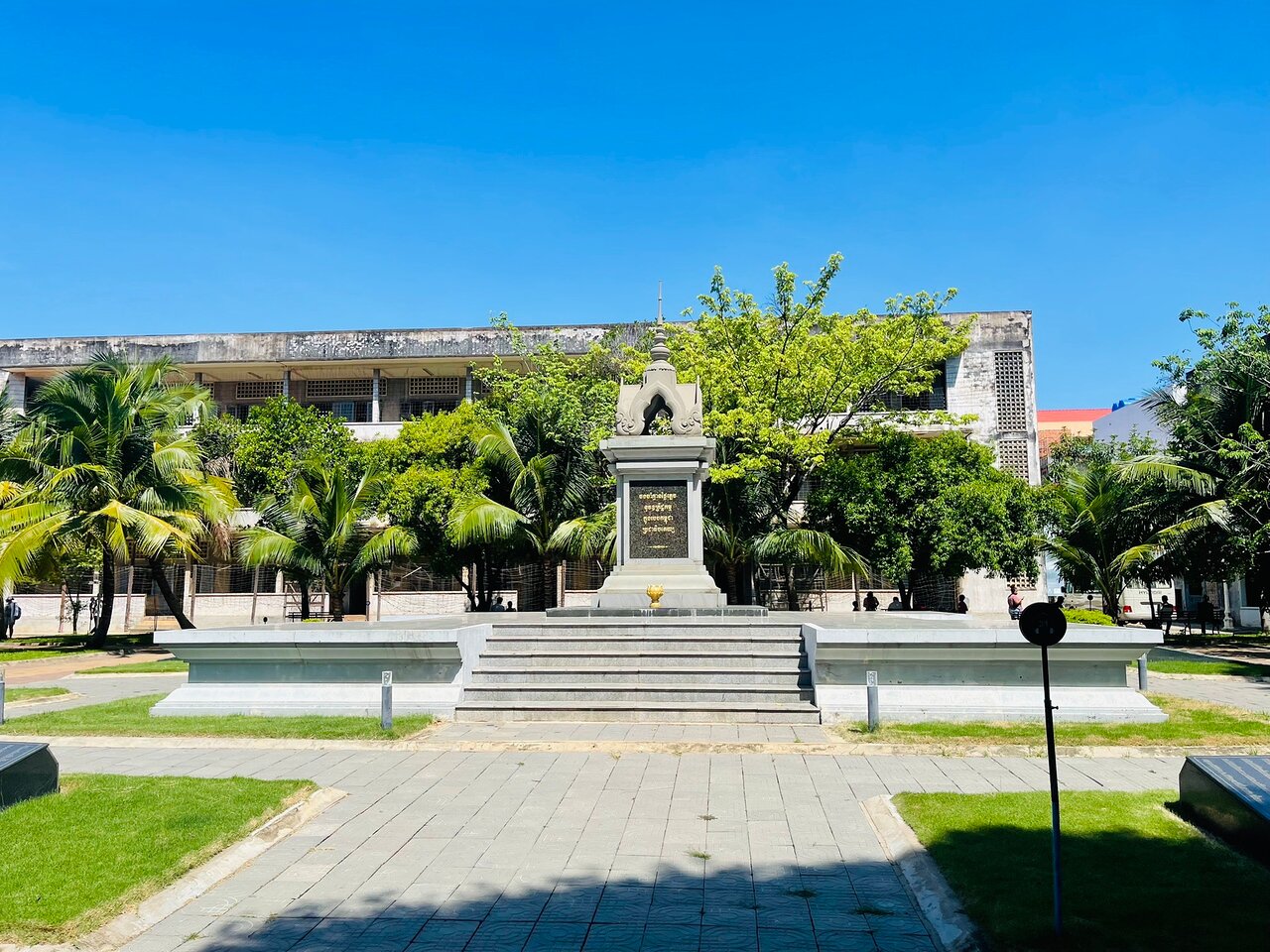
The Tuol Sleng Genocide Museum (Khmer: សារមន្ទីរឧក្រិដ្ឋកម្មប្រល័យពូជសាសន៍ទួលស្លែង, romanized: Saromontir Ukredth Kamm Braly Pouchsasa Tuol Sleng), or simply Tuol Sleng (Khmer: ទួលស្លែង; lit. "Hill of the Poisonous Trees" or "Strychnine Hill"), is a museum chronicling the Cambodian genocide. Located in Phnom Penh, the site is a former secondary school which was used as Security Prison 21 (S-21; Khmer: មន្ទីរស-២១) by the Khmer Rouge regime from 1975 until its fall in 1979. From 1976 to 1979, an estimated 20,000 people were imprisoned at Tuol Sleng and it was one of between 150 and 196 torture and execution centers established by the Khmer Rouge and the secret police known as the Santebal (literally "keeper of peace"). On 26 July 2010, the Extraordinary Chambers in the Courts of Cambodia convicted the prison's chief, Kang Kek Iew, for crimes against humanity and grave...
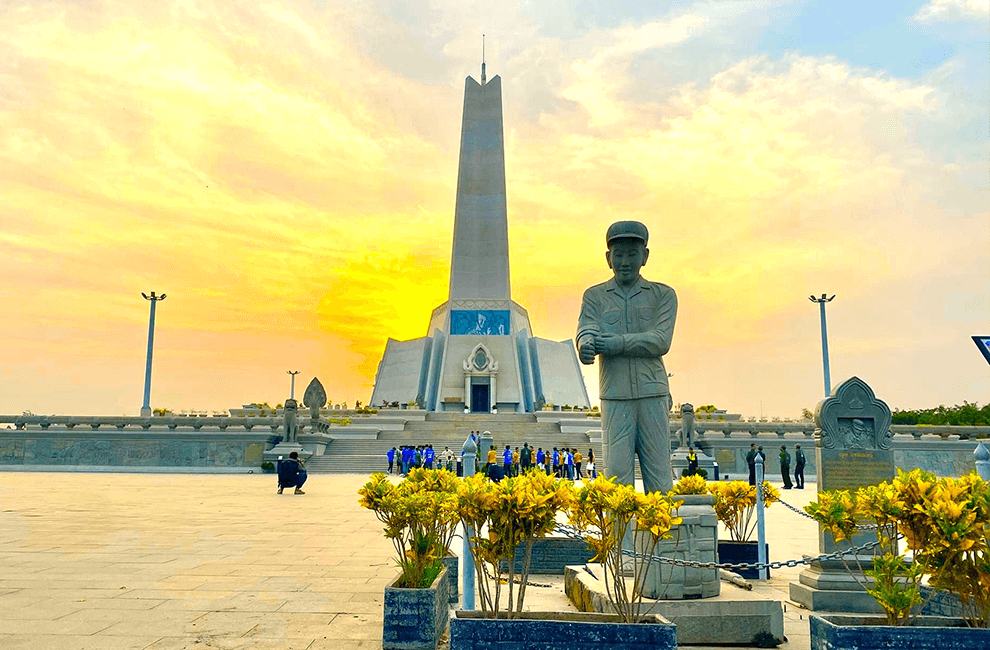
The Win-Win Memorial
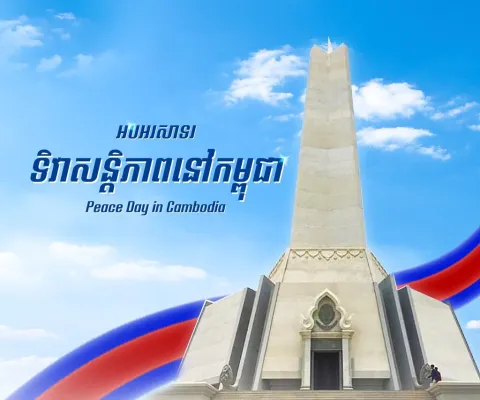
The Win-Win Memorial (Khmer: វិមានឈ្នះ-ឈ្នះ, is a monument that marks the end of civil wars in Cambodia and through then Prime Minister Hun Sen's Win-Win policy. It was also inaugurated on 31 December 2018 by Sen to mark the end of the civil war 20 years ago. The monument stands on a 8 hectare plaza with eight pools, various sculptures, and the base is 117 meters, featuring bas-reliefs depicting the journey to peace. It costed $12 million and was designed in a modernist Khmer style architecture
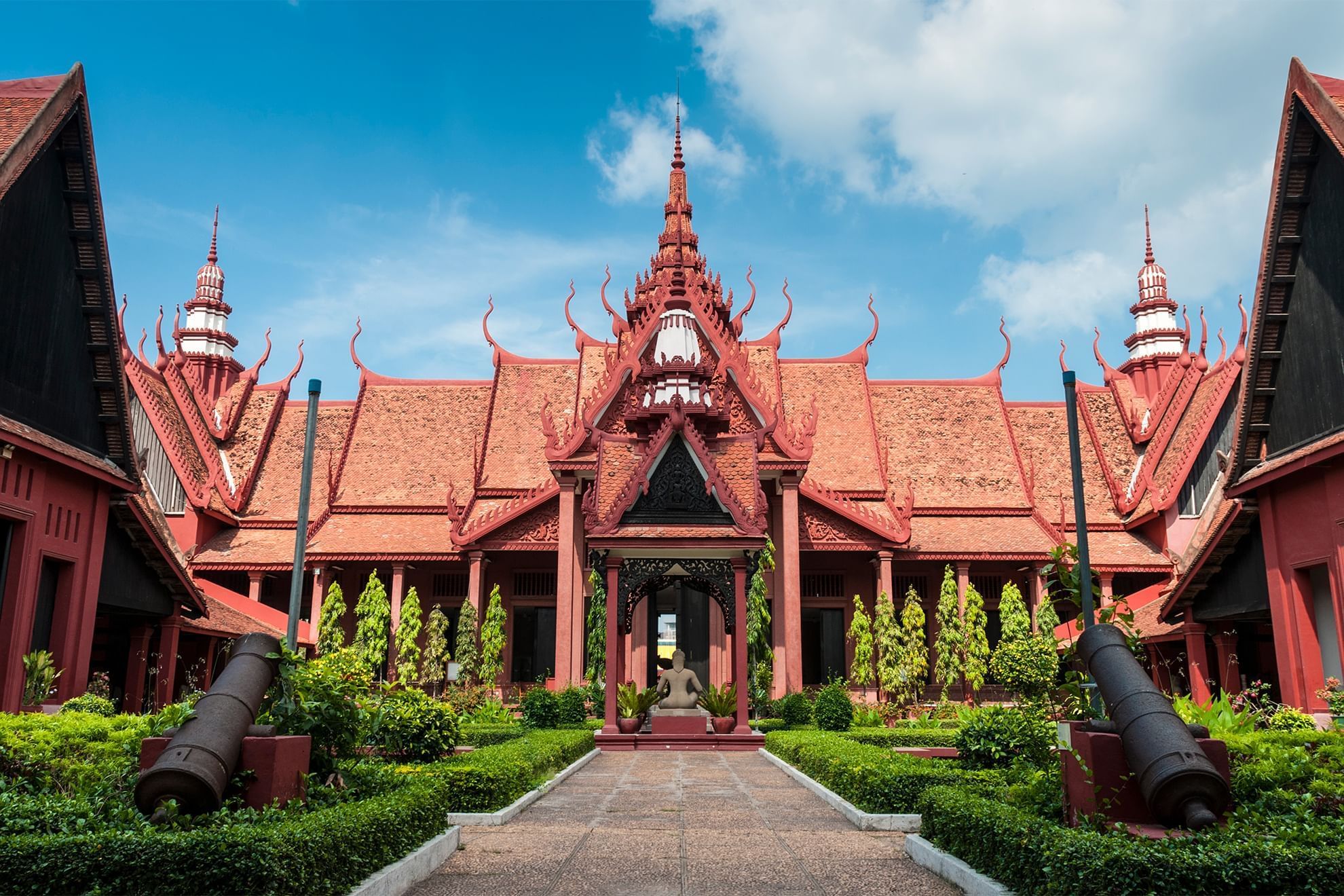
National Museum of Cambodia
The National Museum of Cambodia (Khmer: សារមន្ទីរជាតិ) is Cambodia's largest museum of cultural history and is the country's leading historical and archaeological museum. It is located in Chey Chumneas, Phnom Penh. History George Groslier (1887–1945), historian, curator and author was the motivating force behind much of the revival of interest in traditional Cambodian arts and crafts, and it was he who designed this building that is today ‘traditional Khmer’ architecture. It is perhaps better described as a building enlarged from Cambodian temple prototypes seen on ancient bas-reliefs and reinterpreted through colonial eyes to meet the museum-size requirements. The foundation stone for the new museum was laid on 15 August 1917. Some two-and-a-half years later, the completed museum was inaugurated during Khmer New Year on 13 April 1920 in the presence of H.M King Sisowath, François-Marius Baudouin, Résident-supérieur, and M. Groslier, director of Cambodian Arts,...
Showing 6 - 10 of 12
Showing 6 to 10 of 12 results