


Description
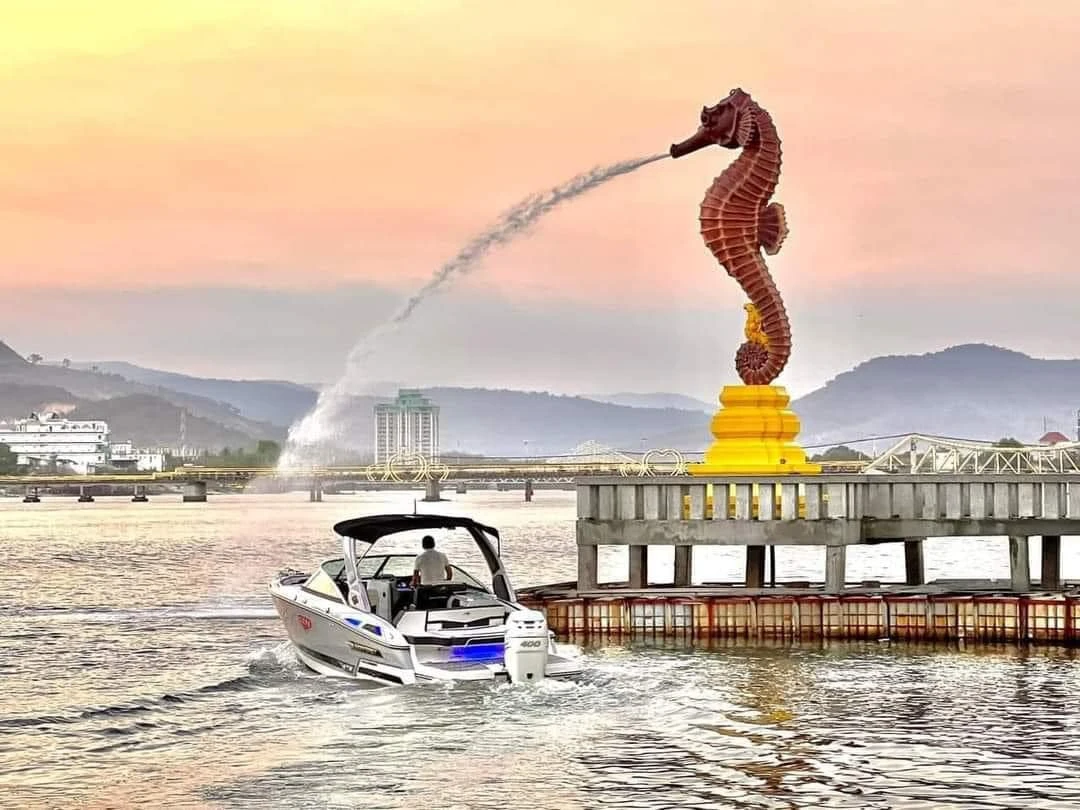
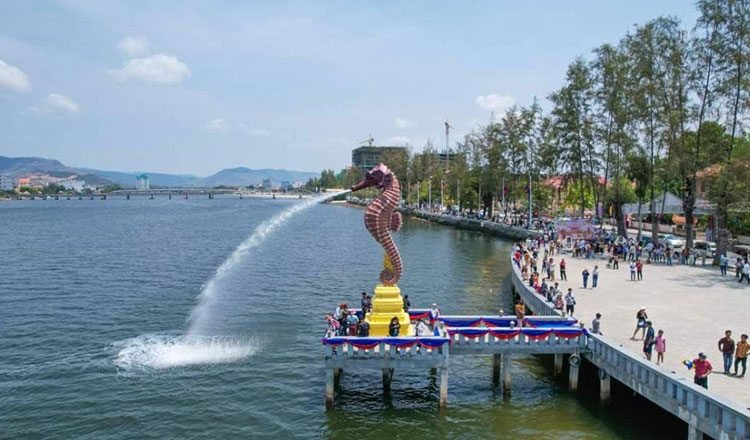
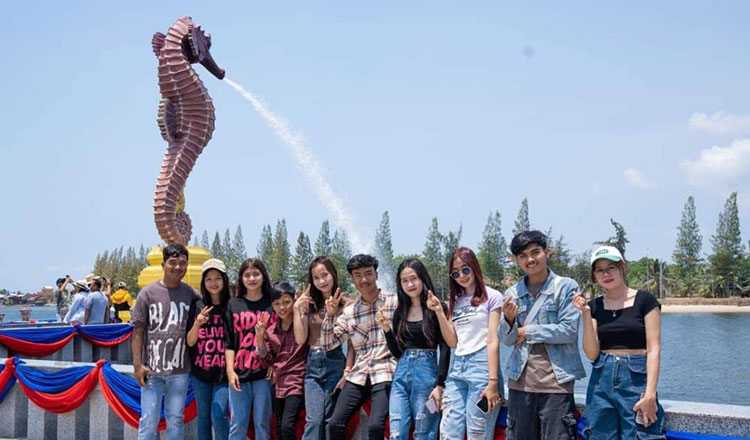
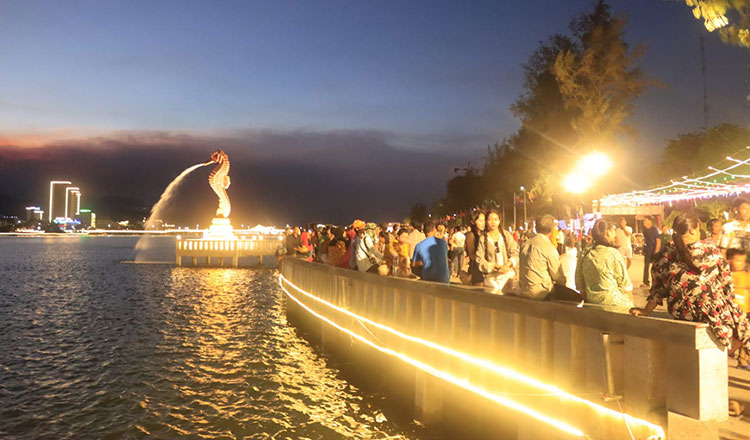
Standing proudly along the coastline of Kampot, the Seahorse Statue represents the province's maritime culture and growing tourism identity. Surrounded by ocean views and fresh sea breeze, the statue attracts both local and tourists who come to relax, take photos, and enjoy the peaceful coastal scenery.
"Seahorse" refers to a type of small marine fish known for its head shape, which resembles that of a horse—hence its name. Here are some key points about seahorses:
Scientific Classification
Seahorses belong to the genus Hippocampus, which is part of the Syngnathidae family. This family also includes pipefish and seadragons.
Physical Appearance
Seahorses have a unique appearance, featuring a horse-like head, a prehensile (curled) tail, and a body covered in bony plates for protection. They use their tails to anchor themselves to seagrass or other objects in the ocean.
Habitat
They are generally found in tropical and temperate waters around the world, living in seagrass beds, coral reefs, and mangroves.
Reproduction
Seahorses have a distinctive reproductive process: the male is the one who carries the eggs and gives birth to the offspring. The female deposits her eggs into the male's brood pouch, where the male fertilizes them and cares for the eggs until they hatch.
Conservation
Many species of seahorses are currently threatened due to habitat loss, overfishing, and the trade for traditional medicine. They are listed on the IUCN Red List and are protected under various international treaties.
From $75.00
per adultAdult x 3
10:30 AM
Free cancellation. Cancel anytime before 3 days for full refund.