

News
History of Preah Vihear
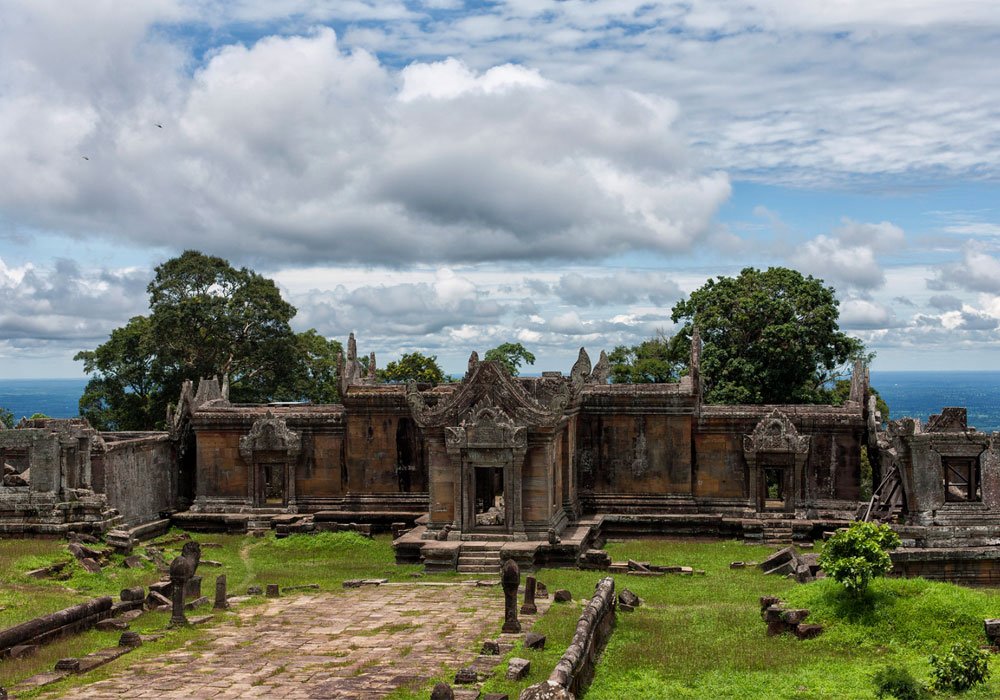
Preah Vihear is a historic and culturally significant temple located in the Preah Vihear Province of northern Cambodia. It is renowned for its architectural and historical importance and is a UNESCO World Heritage Site. Here’s a detailed history of Preah Vihear: 1. Ancient Origins Early Foundations: The temple of Preah Vihear was originally constructed during the Khmer Empire, a powerful empire that dominated Southeast Asia from the 9th to the 15th centuries. It was built during the reign of King Suryavarman I (1002-1050) and later expanded by subsequent kings, including King Suryavarman II (1113-1150). Architectural Design: Preah Vihear is renowned for its distinctive architectural style and its location. Unlike other Khmer temples, Preah Vihear is built along a ridge of a mountain, offering a dramatic and picturesque view of the surrounding landscape. The temple complex is characterized by its long and narrow layout, with a series of pavilions, sanctuaries, and galleries leading up to the main shrine. 2. Religious and Cultural Significance Hindu Temple: Originally, Preah Vihear was dedicated to the Hindu god Shiva. The...
People & Culture in Ratanakiri
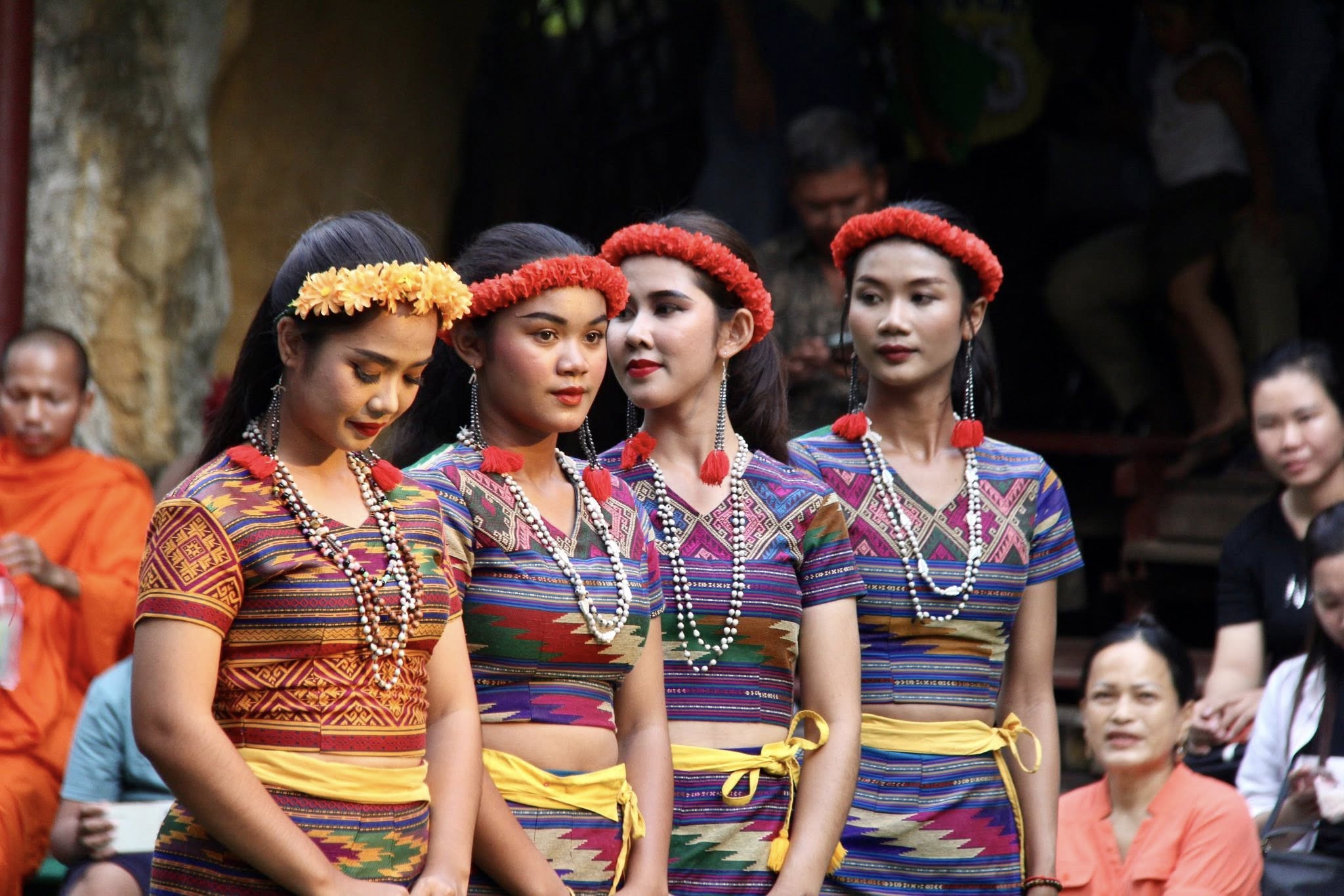
Ratanakiri Province, located in northeastern Cambodia, is a region rich in cultural diversity and natural beauty. The province is known for its unique ethnic diversity, traditional practices, and vibrant local culture. Here’s an in-depth look at the people and culture of Ratanakiri: 1. Ethnic Diversity Ratanakiri is home to a variety of indigenous and ethnic minority groups, each with its distinct traditions and customs: Tumpoun: One of the largest indigenous groups in Ratanakiri, the Tumpoun people are known for their traditional agricultural practices and unique cultural rituals. They often practice animism and hold ceremonies to honor spirits and ancestors. Jarai: The Jarai people, another significant ethnic group in the region, are known for their rich oral traditions, intricate weaving skills, and distinctive wooden sculptures. Their cultural practices often revolve around ancestor worship and the veneration of nature spirits. Kachok: The Kachok people are recognized for their unique traditional dances and music. They have a deep connection to the land and practice shifting cultivation. Kreung: The Kreung...
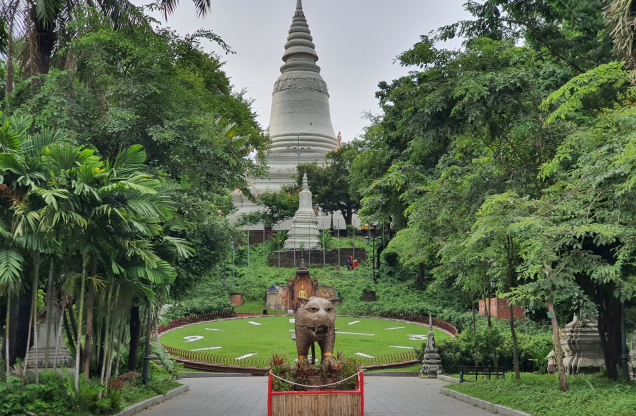
History of Wat PhnomNew Post
Wat Phnom is a significant and revered Buddhist temple located in Phnom Penh, the capital city of Cambodia. The temple holds historical, cultural, and religious importance, and its history is deeply intertwined with the development of the city itself. Here’s a detailed overview of its history: 1. Origins and Legends: Foundation Legend: The legend surrounding Wat Phnom dates back to the 14th century. According to popular belief, a wealthy widow named Penh discovered four statues of Buddha on the banks of the Tonle Sap River. She decided to build a hill (phnom in Khmer) and a small shrine to house the statues. This act led to the establishment of the temple on the hill, which became known as Wat Phnom, meaning "Hill Temple." Historical Significance: The temple was originally constructed in 1373, and the hill itself was artificially created, standing about 27 meters tall. Wat Phnom quickly became a central religious and cultural site, serving as a focal point for the city. 2. Development and Renovations: Early Modifications: The temple has undergone numerous renovations and expansions over the centuries. During the late 15th and early...
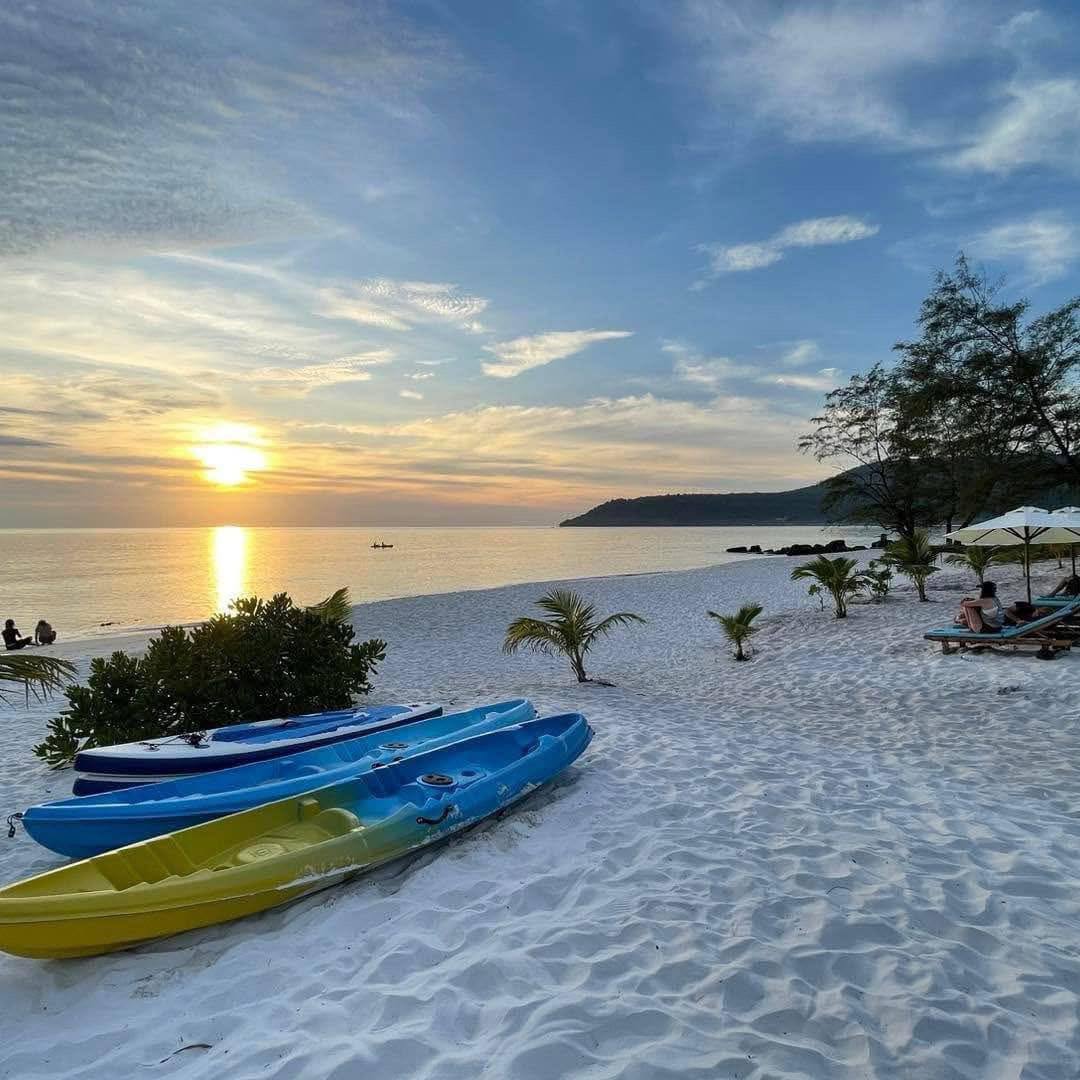
Preah Sihanouk province
First established as Kampong Som .The Som Rattan Port, the province was later renamed in honor of former King Norodom Sihanouk, who orchestrated the establishment of Sihanoukville city and the Sihanoukville municipality as this took place alongside the construction of the Sihanoukville Port, which commenced in June 1955. The only deep water port of Cambodia, it includes an oil terminal and a transport logistics facility. Preah Sihanouk is divided into four districts, each with a distinct economic character, defined largely by location and access to resources. In addition to the port and the growing tourism industry, the activities of countless NGOs and international investment have contributed to the rapid economic growth of the province over the course of the last decade. Primary economic sectors are transport and logistics, process manufacturing, agriculture and fisheries, textiles, and real estate. The islands and beaches of Preah Sihanouk Province are an international tourist destination as visitor numbers have risen steadily...
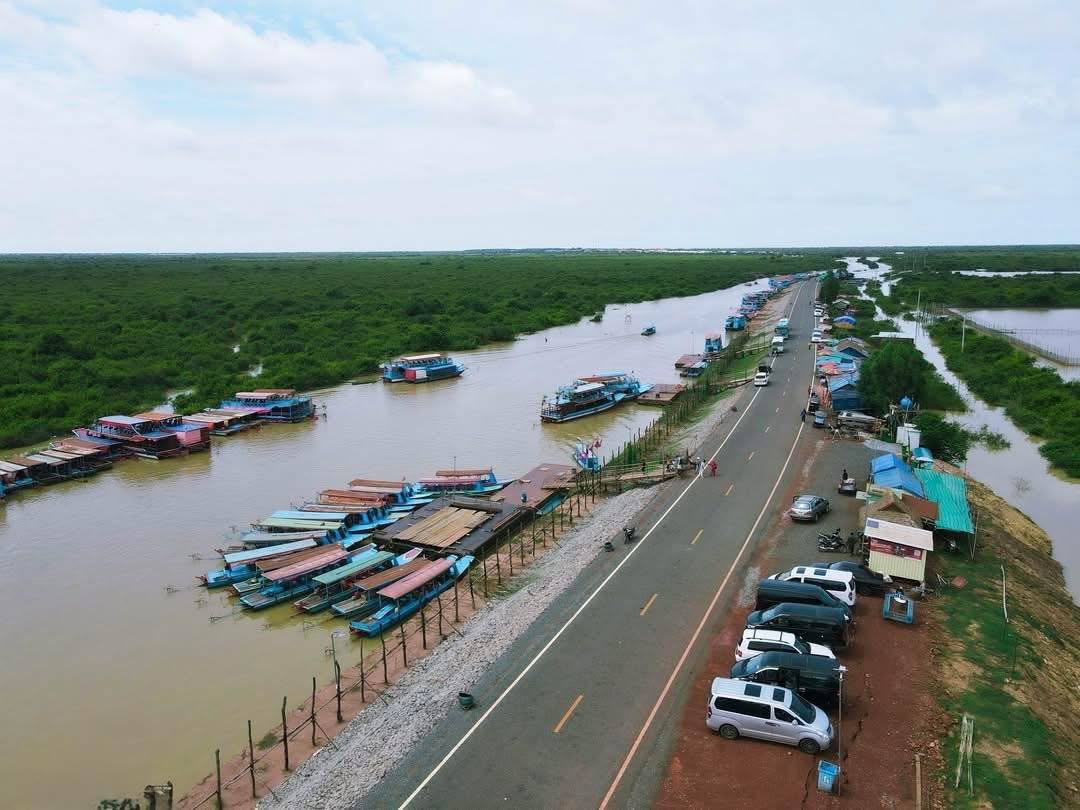
Siem Reap Province is basically the cradle of Angkorean civilization
Siem Reap Province is basically the cradle of Angkorean civilization and it is a province that offers plenty of opportunity to tourists enthralled by the Khmer culture. The ruins of Angkor, located amid forests and Farland, are now a UNESCO World Heritage Site. There are over one thousand temples ranging in scale from nondescript piles of brick rubble scattered through rice fields to the magnificent Angkor Wat which is said to be the world’s largest single religious monument. There are dozens of temple ruins in the Siem Reap area and it depends largely on how much time one has and one’s level of interest to determine how long one should spend to explore them. This province is accessible on direct flights from many major cities in the region including Bangkok, Danang, Hanoi, Ho Chi Minh, Paksé, Vientiane, Kuala Lumpur, Singapore, Hong Kong, Kunming, Taipei, Manila, etc. From the capital of Phnom Penh, the Cambodia National Airline operates direct flights daily to and from Siem Reap. Siem Reap Province can also be reached by speedboats along the Tonlé Sap from Phnom Penh and Battambang Province.The Siem Reap Province is conveniently situated...
Showing 26 - 30 of 44
Showing 26 to 30 of 44 results