


History
Preah Sihanouk province
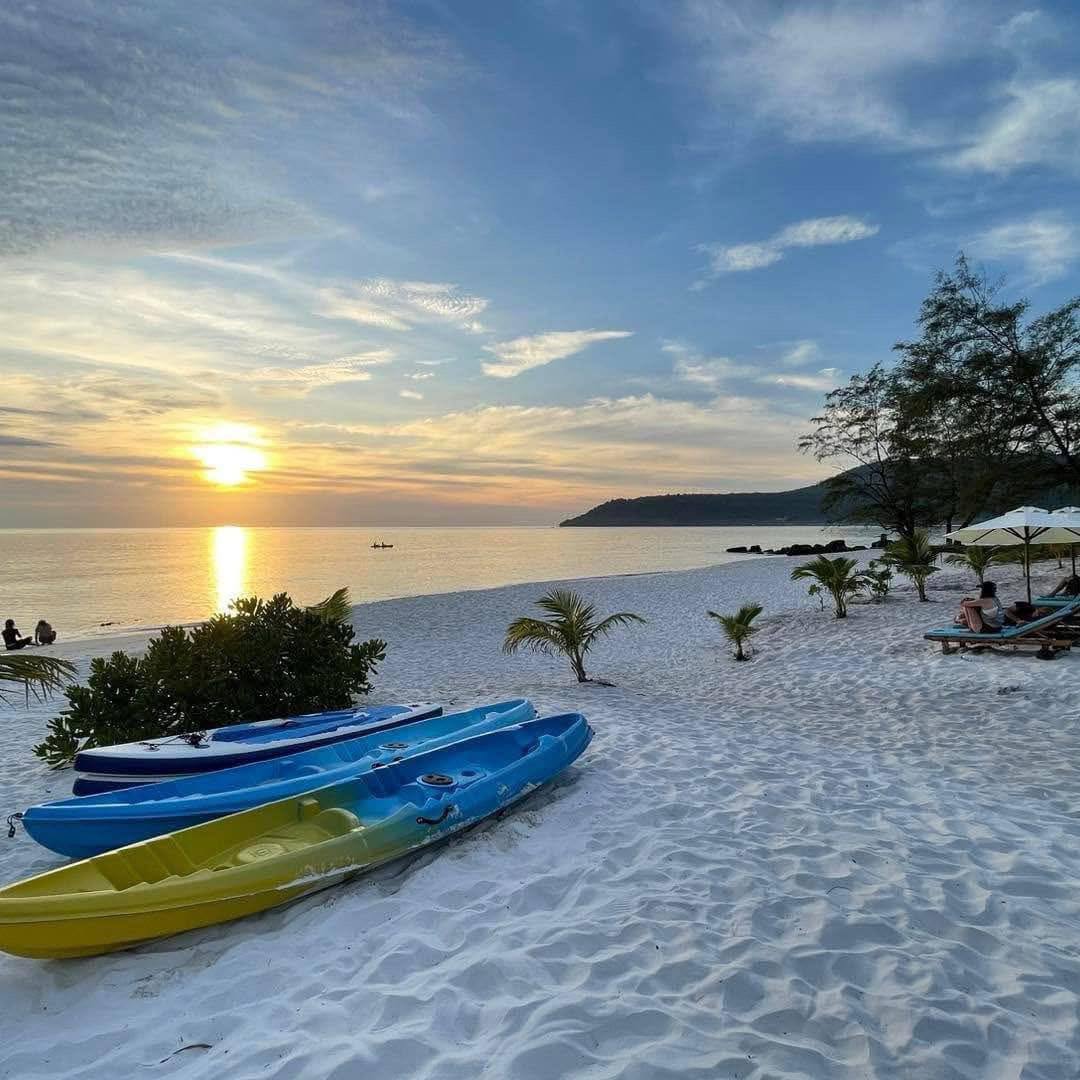
First established as Kampong Som .The Som Rattan Port, the province was later renamed in honor of former King Norodom Sihanouk, who orchestrated the establishment of Sihanoukville city and the Sihanoukville municipality as this took place alongside the construction of the Sihanoukville Port, which commenced in June 1955. The only deep water port of Cambodia, it includes an oil terminal and a transport logistics facility. Preah Sihanouk is divided into four districts, each with a distinct economic character, defined largely by location and access to resources. In addition to the port and the growing tourism industry, the activities of countless NGOs and international investment have contributed to the rapid economic growth of the province over the course of the last decade. Primary economic sectors are transport and logistics, process manufacturing, agriculture and fisheries, textiles, and real estate. The islands and beaches of Preah Sihanouk Province are an international tourist destination as visitor numbers have risen steadily...
History of Wat PhnomNew Post
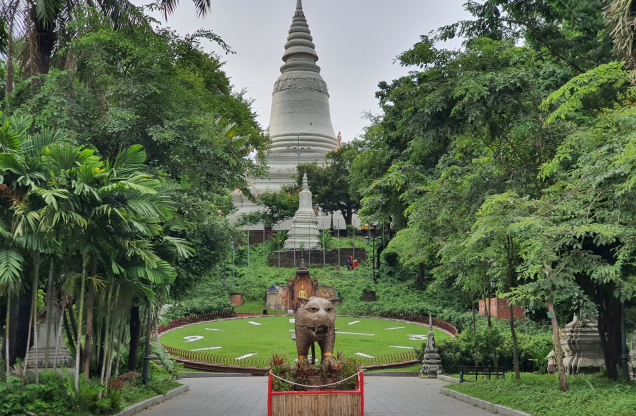
Wat Phnom is a significant and revered Buddhist temple located in Phnom Penh, the capital city of Cambodia. The temple holds historical, cultural, and religious importance, and its history is deeply intertwined with the development of the city itself. Here’s a detailed overview of its history: 1. Origins and Legends: Foundation Legend: The legend surrounding Wat Phnom dates back to the 14th century. According to popular belief, a wealthy widow named Penh discovered four statues of Buddha on the banks of the Tonle Sap River. She decided to build a hill (phnom in Khmer) and a small shrine to house the statues. This act led to the establishment of the temple on the hill, which became known as Wat Phnom, meaning "Hill Temple." Historical Significance: The temple was originally constructed in 1373, and the hill itself was artificially created, standing about 27 meters tall. Wat Phnom quickly became a central religious and cultural site, serving as a focal point for the city. 2. Development and Renovations: Early Modifications: The temple has undergone numerous renovations and expansions over the centuries. During the late 15th and early...
History of Preah Vihear
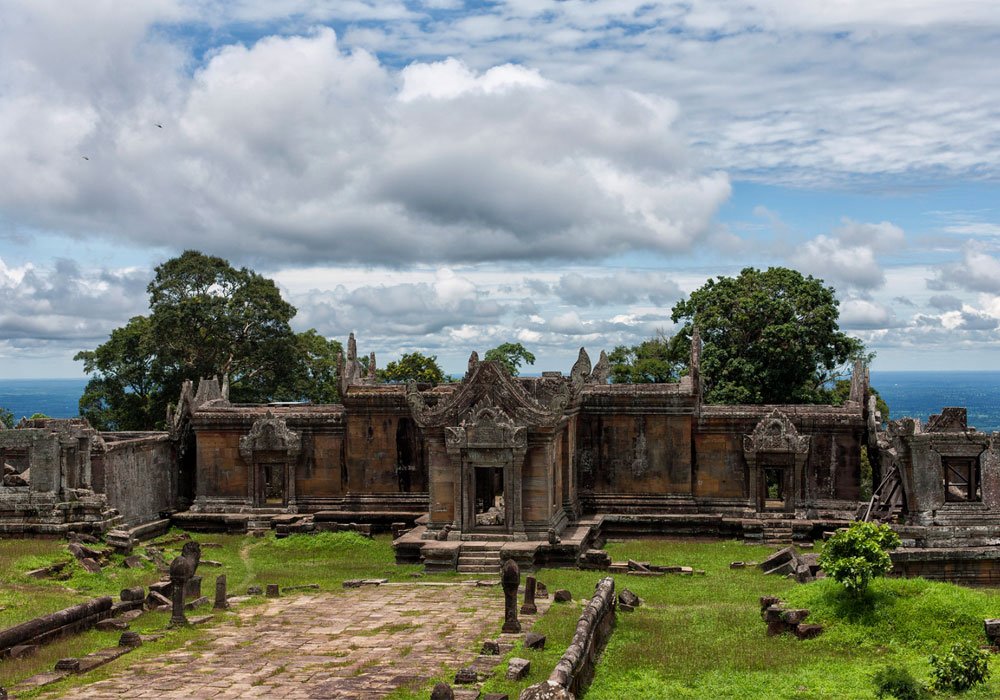
Preah Vihear is a historic and culturally significant temple located in the Preah Vihear Province of northern Cambodia. It is renowned for its architectural and historical importance and is a UNESCO World Heritage Site. Here’s a detailed history of Preah Vihear: 1. Ancient Origins Early Foundations: The temple of Preah Vihear was originally constructed during the Khmer Empire, a powerful empire that dominated Southeast Asia from the 9th to the 15th centuries. It was built during the reign of King Suryavarman I (1002-1050) and later expanded by subsequent kings, including King Suryavarman II (1113-1150). Architectural Design: Preah Vihear is renowned for its distinctive architectural style and its location. Unlike other Khmer temples, Preah Vihear is built along a ridge of a mountain, offering a dramatic and picturesque view of the surrounding landscape. The temple complex is characterized by its long and narrow layout, with a series of pavilions, sanctuaries, and galleries leading up to the main shrine. 2. Religious and Cultural Significance Hindu Temple: Originally, Preah Vihear was dedicated to the Hindu god Shiva. The...
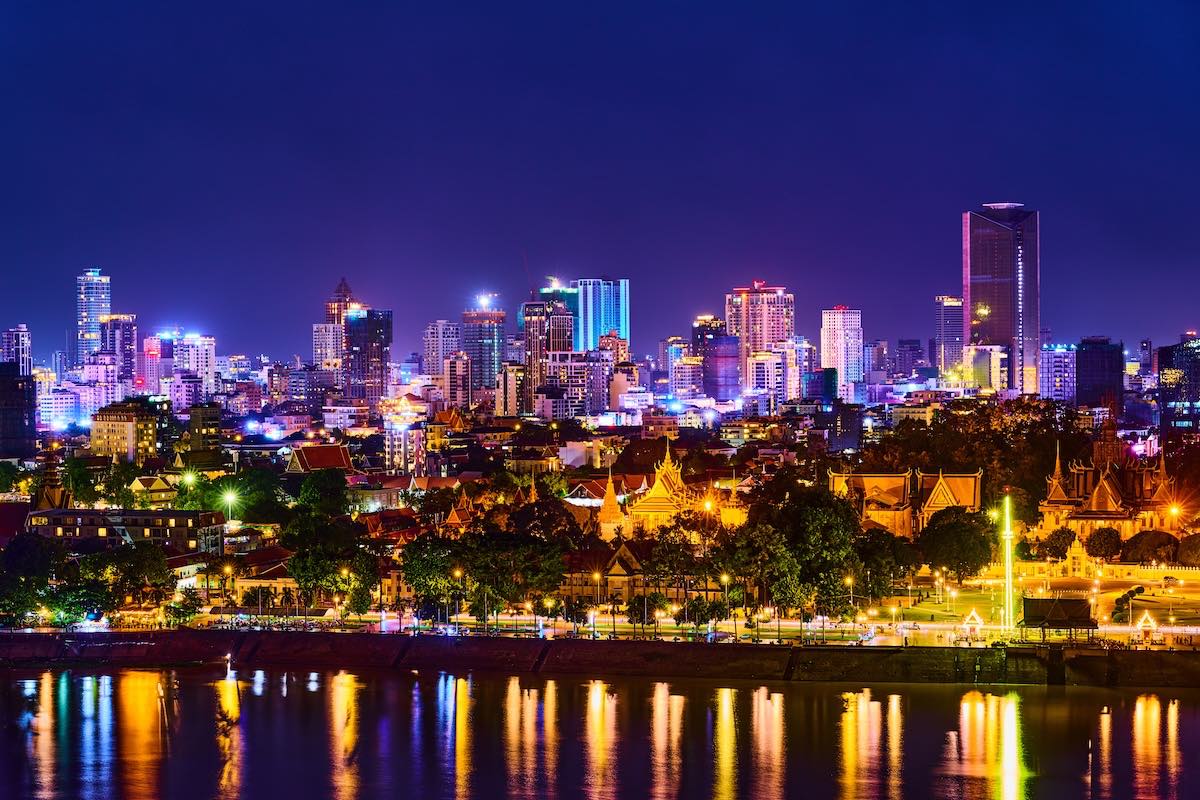
Phnom Penh City
Phnom Penh Khmer: ភ្នំពេញ, Phnom Penh 'Penh's Hill/Mountain') is the capital and most populous city of Cambodia. It has been the national capital since the French protectorate of Cambodia and has grown to become the nation's primate city and its economic, industrial, and cultural centre. Before Phnom Penh became capital city, Oudong was the capital of the country.Phnom Penh succeeded Angkor Thom as the capital of the Khmer nation but was abandoned several times before being reestablished in 1865 by King Norodom. The city formerly functioned as a processing center, with textiles, pharmaceuticals, machine manufacturing, and rice milling. Its chief assets, however, were cultural. Institutions of higher learning included the Royal University of Phnom Penh (established in 1960 as Royal Khmer University), with schools of engineering, fine arts, technology, and agricultural sciences, the latter at Chamkar Daung, a suburb. Also located in Phnom Penh were the Royal University of Agronomic Sciences and the Agricultural School of Prek Leap.The city was nicknamed the "Pearl of Asia" for its early 20th...
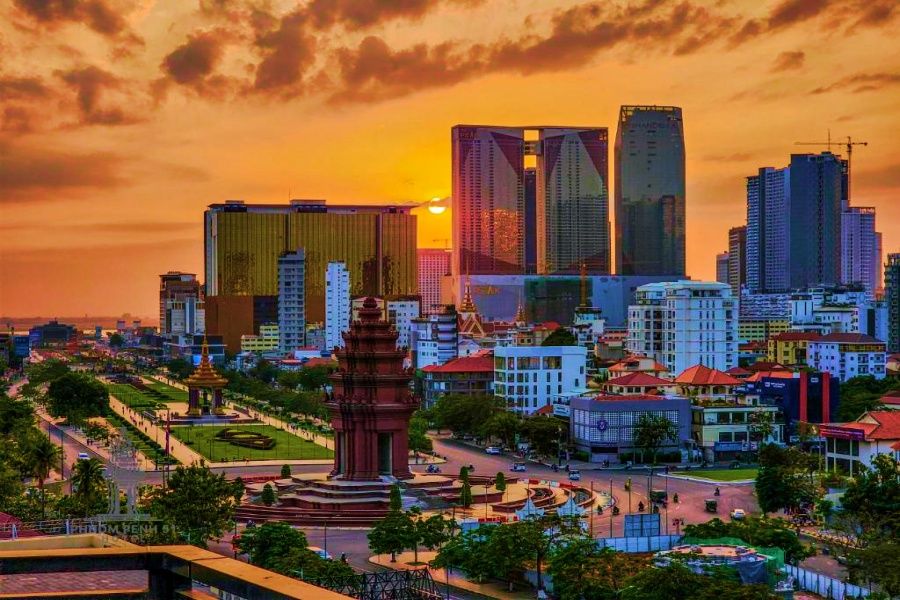
Independence Monument (Cambodia)
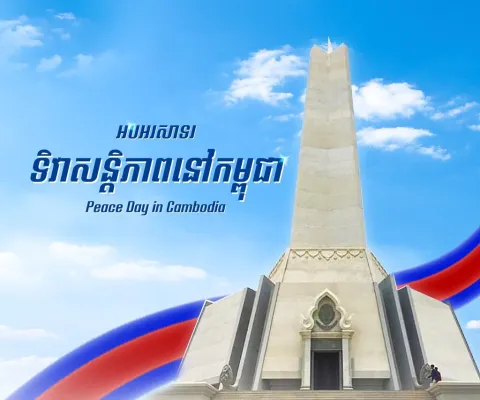
Independence Monument, or Vimean Ekareach as it is referred to in Khmer, is a majestic structure that dominates Phnom Penh city centre. Independence Monument was primarily erected to mark the liberation of the country from the French, who ruled Cambodia for almost a century from 1863 to 1953. Built in 1958, and inaugurated in 1962 during the regime of Sangkum Reastr, this monument also serves as a proud testament to commemorate people who sacrificed their lives for the welfare of the country. The monument is captivating for its cool, serene atmosphere, which in turn makes it a much sought-after destination.Phnom Penh Independence Monument - one of the highlights of 18 Best Things to Do in Phnom Penh (Read all about Phnom Penh here) A stunning illustration of traditional Angkorian architecture, Independence Monument was designed by Vann Molyvann – a distinguished Cambodian architect – in the model of a lotus that largely takes after stupas seen at Angkorian Wat. Perhaps the salient characteristic of this 20-metre-tall, reddish-brown stone memorial is the multi-headed snakes that titivate the 5 levels of a lotus bud. Its intricate...
Showing 1 - 5 of 12
Showing 1 to 5 of 12 results