

Description
The 15th day of the waxing moon of Meakha month corresponds to February 02 and marks an important Buddhist holy day known as Magha Puja Day. In Cambodia, followers of Buddhism celebrate this festival solemnly and joyfully, including sharing celebrations on social media. On this occasion, Kuon Sambor would like to invite readers to learn about the history and some of the purposes of Magha Puja.
Every year, on the full-moon day (15th waxing day) of Meakha month, Buddhists gather to celebrate a major religious festival called Magha Puja. Magha Puja is observed to commemorate the day when the Buddha, the Fully Enlightened One, formally established Buddhism in the world in India, in 588 BCE, on the 15th waxing day of Meakha month—exactly nine months after His Enlightenment.
Magha Puja is one of the most significant events in Buddhism. It serves to honor the Buddha while He was still alive and to commemorate three major events:
-
The Caturanga Sangha Assembly, in which 1,250 monks gathered on the 15th waxing day of Meakha month;
-
The day the Buddha resolved to relinquish His life force (made the determination to pass into Parinirvana);
-
The day the Buddha delivered the Ovada Patimokkha, His fundamental teaching.
During the Buddha’s lifetime, this great assembly of monks took place on the Uposatha day, the full-moon day of Meakha month. This gathering was called the Caturanga Mahasannipata, meaning “the Great Assembly with Four Factors.”
-
First, the assembly consisted of 1,250 monks;
-
Second, all of them were Arahants;
-
Third, all had assembled voluntarily, without prior invitation;
-
Fourth, the Buddha Himself delivered the Ovada Patimokkha, the core disciplinary and moral teachings of Buddhism.
According to research by Dr. Chea Vanny, a scholar of literature and a researcher at the Royal Academy of Cambodia, the establishment of Buddhism as a religious institution took place within this great assembly of 1,250 monks, who came from all social classes. At this gathering, the Buddha proclaimed 11 key principles for all members to adopt as a way of life and to disseminate to others so they could better understand Buddhism. These principles are known in Pali as the Ovada Patimokkha.
The Ovada Patimokkha is a technical term referring to the Buddha’s teachings delivered in the Pali language. In Khmer, it can be explained as guidance on moral duties for liberation from suffering.
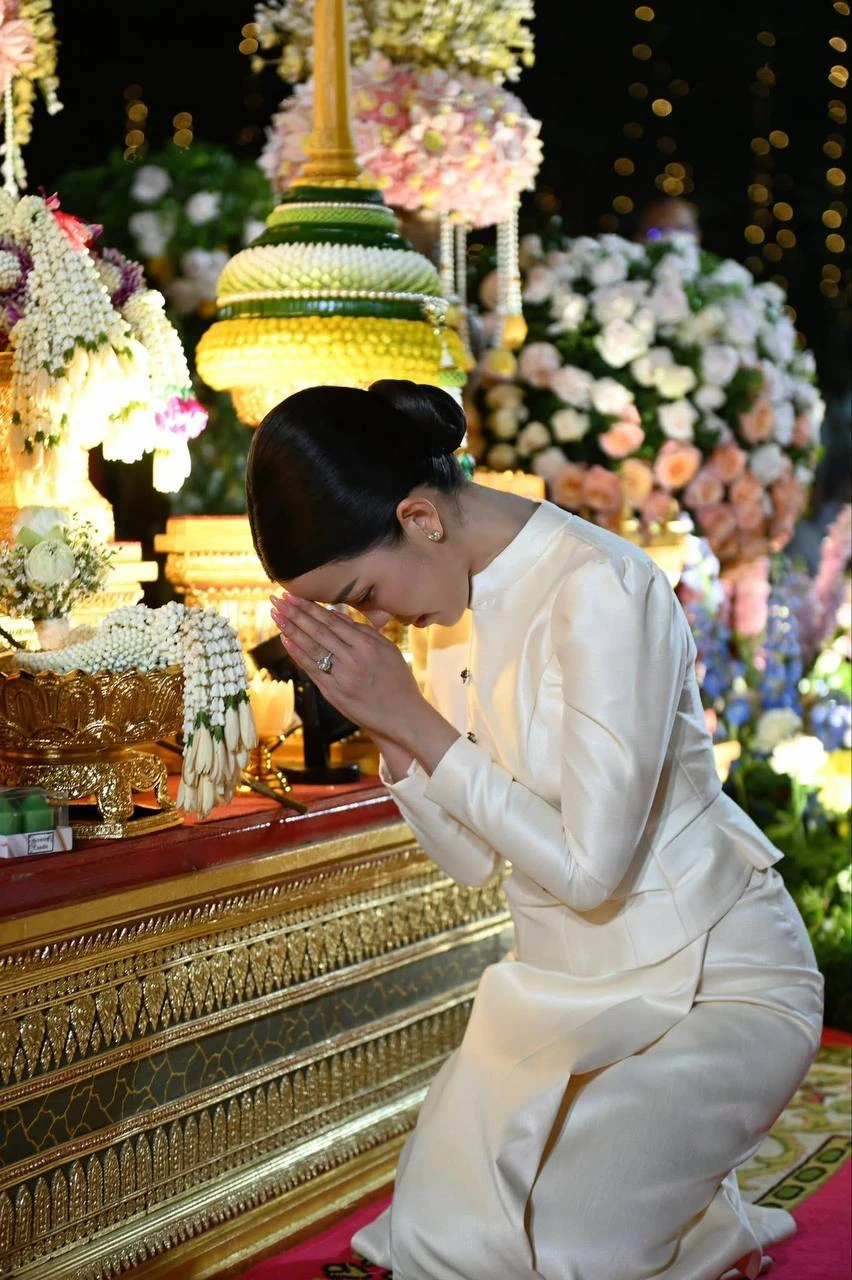
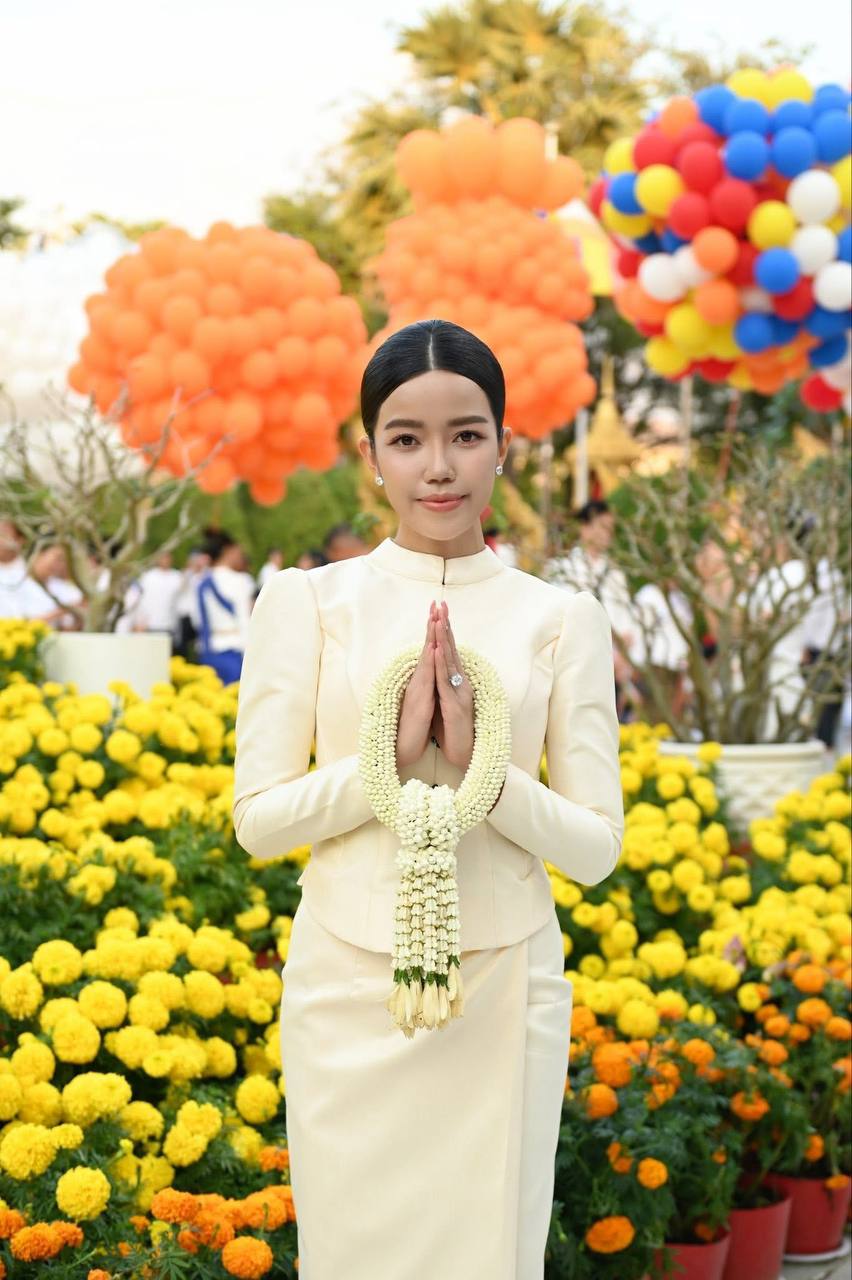
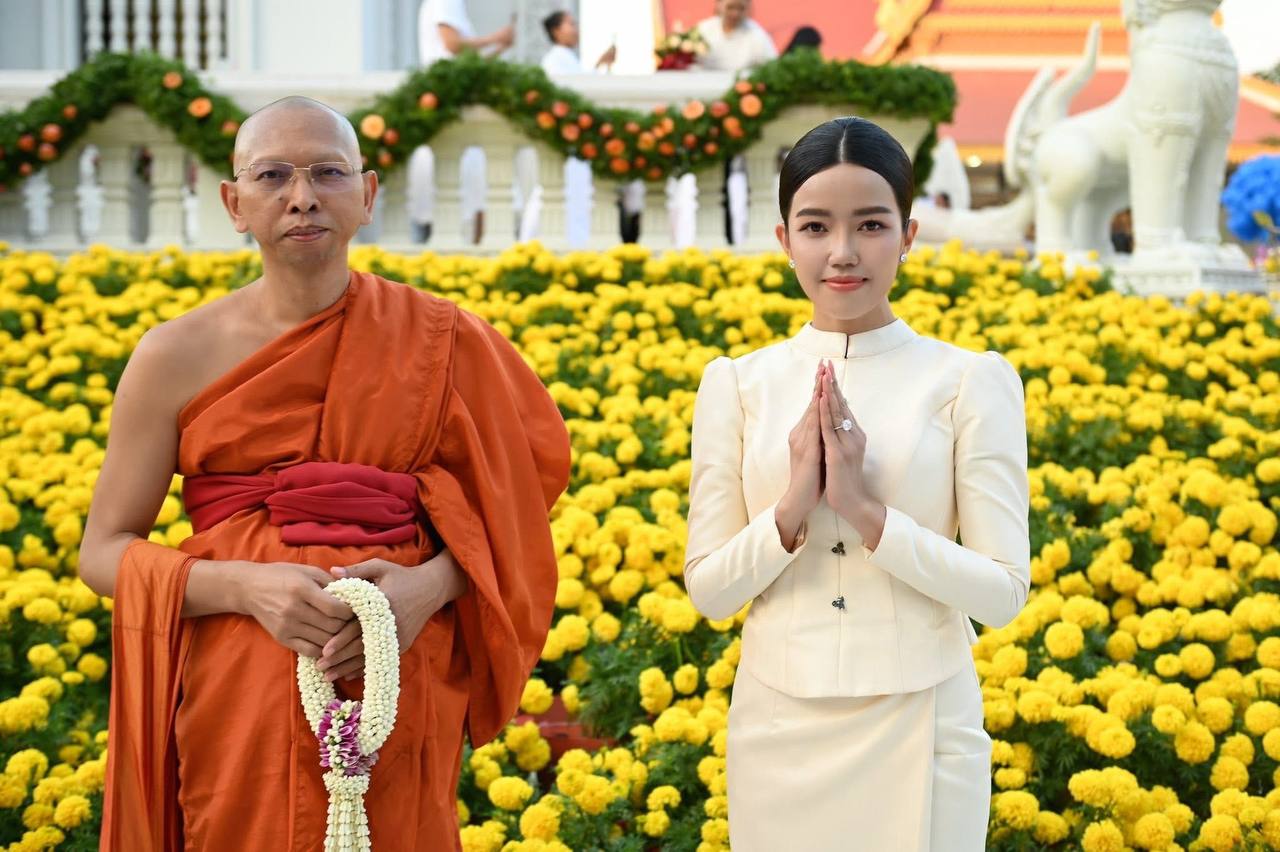
Today, Magha Puja is generally celebrated by Buddhists at temples and pagodas, or at the Preah Sakyamuni Stupa, which enshrines the sacred relics of the Buddha. When Magha Puja arrives, many Cambodian Buddhists clean and decorate temples, raise national and Buddhist flags, arrange ritual offerings, and organize traditional Pinpeat music performances.
On Magha Puja Day, most Cambodian Buddhists prepare food offerings to present to monks at temples. They observe the Buddha’s teachings by keeping moral precepts, including the Five Precepts and the Eight Precepts. In some temples, devotees also organize processions displaying paintings depicting events from the Buddha’s life.
The ultimate goal of Buddhism, which is also the goal of Buddhists, is to seek Nirvana—a state free from suffering, pain, and mental affliction. The word Nirvana has a meaning similar to peace or tranquility. Buddhism aims to teach followers to cultivate inner peace and extend it to others, thereby contributing to peace in society and throughout the world.
It should be noted that Cambodia is a Buddhist country. More than 95 percent of the Cambodian population practices Buddhism. The Constitution of the Kingdom of Cambodia recognizes Buddhism as the state religion.
From $75.00
per adultAdult x 3
10:30 AM
Free cancellation. Cancel anytime before 3 days for full refund.